
Dog ate something dangerous? Call your vet or the ASPCA Animal Poison Control Center: (888) 426-4435 now (a fee may apply).
No match. If you're unsure about a food, don't feed it and ask your vet.
- Alcohol⛔ Dangerous: don't feedEven small amounts can cause vomiting, poor coordination, breathing problems and, in severe cases, death.
- Chives & leeks⛔ Dangerous: don't feedSame plant family as onions and garlic, with the same risk of anemia.
- Chocolate⛔ Dangerous: don't feedContains theobromine and caffeine. The darker the chocolate, the more dangerous. Check the risk with our chocolate toxicity calculator and call your vet.
- Coffee & caffeine⛔ Dangerous: don't feedCaffeine overstimulates the heart and nervous system. Includes coffee grounds, tea bags, energy drinks and caffeine pills.
- Cooked bones⛔ Dangerous: don't feedCan splinter and cause choking, broken teeth, or tears and blockages in the gut.
- Garlic⛔ Dangerous: don't feedIn the same family as onions and considered more potent. Can damage red blood cells.
- Grapes & raisins⛔ Dangerous: don't feedCan cause sudden kidney failure, even in small amounts, and there is no known safe dose. Includes currants, sultanas and foods containing them.
- Macadamia nuts⛔ Dangerous: don't feedCan cause weakness (especially in the back legs), vomiting, tremors and fever.
- Onions⛔ Dangerous: don't feedDamage red blood cells and can cause anemia, whether raw, cooked, powdered or dried. Watch out for onion in soups, gravy and baby food.
- Raw bread dough⛔ Dangerous: don't feedYeast dough can expand in the stomach and produce alcohol as it ferments. It is an emergency.
- Wild mushrooms⛔ Dangerous: don't feedSome wild mushrooms are deadly. Plain store-bought mushrooms are generally fine, but avoid any picked outdoors and call a vet if eaten.
- Xylitol (sugar-free gum & candy)⛔ Dangerous: don't feedA sweetener that can cause a dangerous drop in blood sugar and liver failure in dogs. Found in sugar-free gum, candy, some peanut butters and toothpaste. Emergency: call a vet.
- Almonds⚠️ Be carefulNot highly toxic, but hard to digest and a choking or blockage risk, especially salted or flavored.
- Avocado⚠️ Be carefulThe flesh is not highly toxic to dogs, but it is fatty and the pit is a choking and blockage risk. Keep skins, pits and guacamole (which often contains onion and garlic) away.
- Cheese⚠️ Be carefulFine as an occasional small treat for most dogs, but high in fat and can upset dogs with lactose intolerance.
- Cherries⚠️ Be carefulPits, stems and leaves contain cyanide and the pits can cause blockages. The flesh in small, pitted amounts is not toxic.
- Corn on the cob⚠️ Be carefulPlain corn kernels are fine, but the cob is a common cause of dangerous intestinal blockages.
- Ham & bacon⚠️ Be carefulVery salty and fatty. Can cause stomach upset and, in some dogs, pancreatitis.
- Lemons & limes⚠️ Be carefulVery sour, and the peel and plant contain essential oils and psoralens that can cause vomiting and diarrhea. Not worth sharing.
- Milk⚠️ Be carefulMany adult dogs are lactose intolerant and may get diarrhea. Small amounts are usually fine.
- Nutmeg⚠️ Be carefulContains myristicin. Large amounts can cause disorientation, a racing heart and seizures. Avoid nutmeg-heavy baked goods.
- Raw meat & raw eggs⚠️ Be carefulCan carry bacteria like Salmonella and E. coli, which can sicken dogs and the people in your home. Cooked is safer.
- Salty snacks⚠️ Be carefulChips, pretzels and salted popcorn can cause excessive thirst. Very large amounts of salt are dangerous.
- Tomatoes⚠️ Be carefulRipe red tomato flesh is generally fine in small amounts. Green tomatoes, stems and leaves contain solanine and should be avoided.
- Walnuts⚠️ Be carefulFatty and hard to digest. Moldy walnuts can contain toxins that cause tremors and seizures.
- Apples✅ Safe in moderationA crunchy, low-calorie treat. Remove the core and seeds first.
- Bananas✅ Safe in moderationFine in small pieces. They are high in sugar, so keep them an occasional treat.
- Blackberries✅ Safe in moderationFresh or plain frozen blackberries are fine in small amounts. They contain only trace natural xylitol. Skip sweetened berries, jams and pies.
- Blueberries✅ Safe in moderationA great low-calorie treat, rich in antioxidants. Cut them in half for very small dogs.
- Cantaloupe✅ Safe in moderationSafe in moderation without the rind or seeds. High in sugar, so limit it for overweight or diabetic dogs.
- Carrots✅ Safe in moderationRaw or cooked, carrots are a healthy, low-calorie chew. Cut them for small dogs.
- Cooked eggs✅ Safe in moderationFully cooked eggs are a good source of protein. No butter, oil or seasoning.
- Cooked salmon✅ Safe in moderationFully cooked and boneless, salmon is a healthy treat. Never feed it raw.
- Cranberries✅ Safe in moderationFine in small amounts, fresh or frozen. Most dried cranberries are sweetened, and too many can upset the stomach.
- Cucumber✅ Safe in moderationVery low in calories and refreshing. Cut into small pieces.
- Green beans✅ Safe in moderationPlain, unsalted green beans are a filling, low-calorie snack.
- Mango✅ Safe in moderationPeeled mango flesh is fine in small pieces. Remove the large pit, which is a choking hazard and contains small amounts of cyanide. High in sugar.
- Oranges✅ Safe in moderationA few peeled segments with the seeds removed are fine. The peel and seeds can upset the stomach, and many dogs dislike citrus.
- Peaches✅ Safe in moderationFresh flesh in small amounts is fine. Always remove the pit, which can cause blockages and contains cyanide. Skip canned peaches.
- Peanut butter✅ Safe in moderationFine in small amounts if it does NOT contain xylitol (check the label). It is high in fat.
- Pears✅ Safe in moderationCut into bite-size pieces and remove the core and seeds. Skip canned pears, which are packed in sugar.
- Pineapple✅ Safe in moderationFresh pineapple is fine in small pieces. Remove the skin, crown and hard core, and skip canned pineapple in syrup. It is high in natural sugar, so keep it an occasional treat.
- Plain cooked chicken✅ Safe in moderationBoneless, skinless and unseasoned, it is a good lean protein.
- Plain cooked rice✅ Safe in moderationPlain white rice is gentle on the stomach and often used in bland diets.
- Plain popcorn✅ Safe in moderationAir-popped and unsalted, without butter, it is fine in small amounts. Remove unpopped kernels.
- Plain yogurt✅ Safe in moderationPlain, unsweetened yogurt is fine in small amounts. Avoid flavored or "sugar-free" yogurt, which may contain xylitol.
- Pumpkin (plain)✅ Safe in moderationPlain cooked or canned pumpkin is fine. Avoid pumpkin pie filling, which has sugar and spices.
- Raspberries✅ Safe in moderationFine in small amounts. They contain a little natural xylitol, so the AKC suggests no more than 8 oz at a time, and far less for small dogs.
- Strawberries✅ Safe in moderationSafe in moderation. Cut large berries to avoid choking.
- Sweet potato (cooked)✅ Safe in moderationCooked plain sweet potato is fine. Do not feed raw.
- Watermelon✅ Safe in moderationHydrating and safe. Remove the seeds and the rind.
5 simple rules for sharing food with your dog
- Keep it plain. No salt, butter, oil, sauces, onion or garlic.
- Keep it small. Treats should be under 10% of daily calories.
- Remove pits, seeds, cores and bones.
- Read labels for xylitol, especially peanut butter, yogurt and anything "sugar-free".
- When in doubt, leave it out, and ask your vet.
Worried about chocolate specifically? Use our chocolate toxicity calculator to estimate the risk for your dog's weight.
Sources
ASPCA: People Foods to Avoid Feeding Your Pets; Merck Veterinary Manual: Food Hazards.
Frequently asked questions
What human foods are toxic to dogs?
The most dangerous include chocolate, grapes and raisins, onions, garlic and chives, xylitol (in sugar-free products), macadamia nuts, alcohol, caffeine and raw yeast dough. Call your vet or a pet poison hotline right away if your dog eats any of these.
What fruits can dogs eat?
Apples (no core or seeds), bananas, blueberries, strawberries and seedless watermelon (no rind) are safe in small amounts. Never feed grapes, raisins or currants.
How much human food can I give my dog?
Treats, including safe human foods, should make up no more than about 10% of your dog's daily calories. Keep them plain: no salt, butter, oil, onion, garlic or sauces.
My dog ate something toxic. What should I do?
Call your vet, an emergency animal hospital, or in the US the ASPCA Animal Poison Control Center at (888) 426-4435 right away. Don't wait for symptoms, and don't make your dog vomit unless a professional tells you to.
Guides that use this calculator
Can Dogs Eat Cherries? Pits, Maraschino & Dried Cherries
Read guide
Can Dogs Eat Peanut Butter? How Much a Day & Xylitol Check
Read guide
Can Dogs Eat Pears? Skin, Seeds, Canned Pears & How Much
Read guide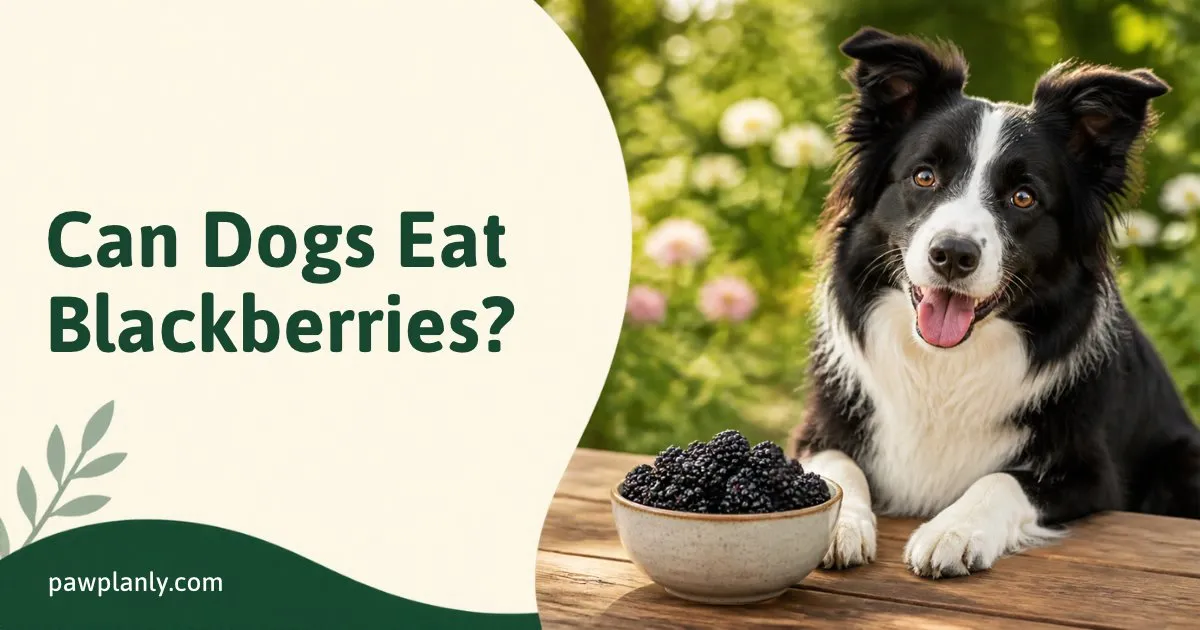
Can Dogs Eat Blackberries? Frozen, Wild & How Many
Read guide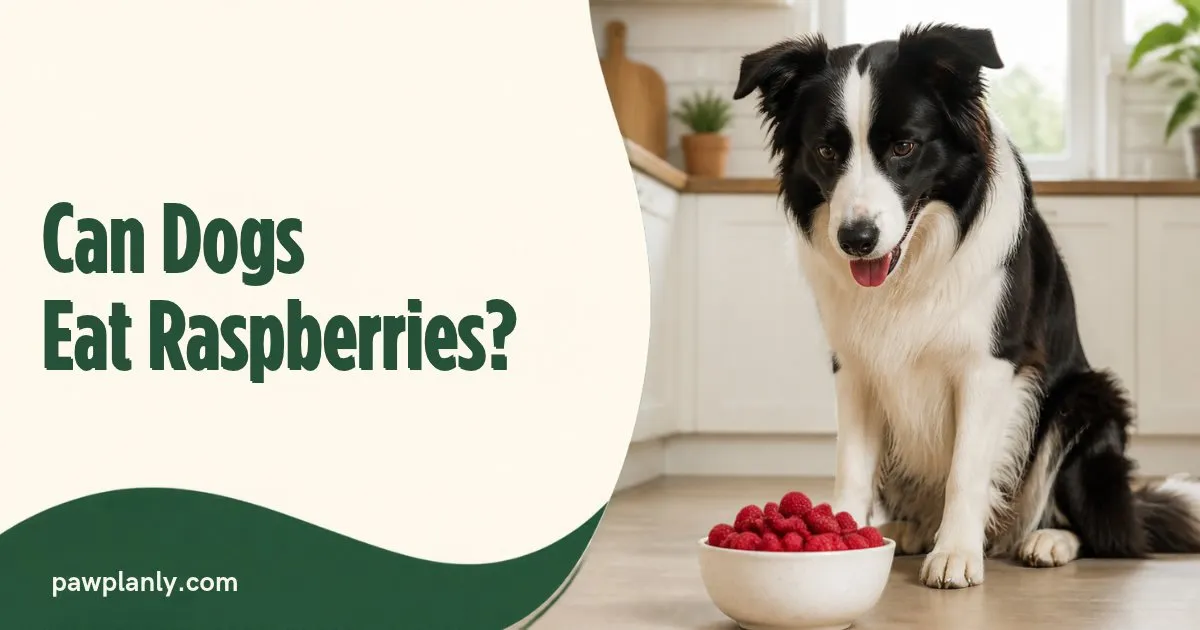
Can Dogs Eat Raspberries? Safe Amounts, Xylitol & Frozen
Read guide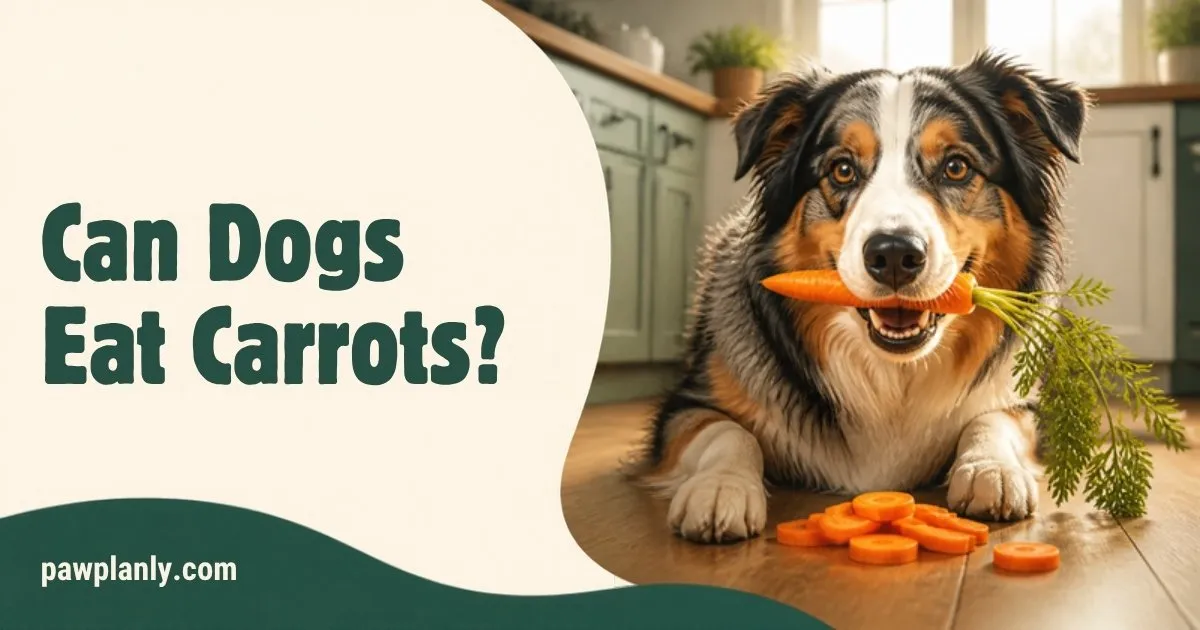
Can Dogs Eat Carrots? Raw, Cooked, Frozen and How Many
Read guideMore free pet calculators
See all calculators Nutrition & Feeding
Dog Food Calculator
How many calories and cups your dog needs per day.
Open calculator Puppies, Kittens & Seniors
Dog Age Calculator
Convert your dog's age to human years by size.
Open calculator Health & Safety
Dog Chocolate Toxicity Calculator
Check how dangerous the chocolate your dog ate is.
Open calculator Puppies, Kittens & Seniors
Puppy Weight Calculator
Estimate how big your puppy will be as an adult.
Open calculator Puppies, Kittens & Seniors
Cat Age Calculator
Convert your cat's age to human years.
Open calculator Nutrition & Feeding
Cat Food Calculator
Daily calories, cups of dry food and cans of wet food.
Open calculator Puppies, Kittens & Seniors
Dog Pregnancy Calculator
Find your dog's due date and pregnancy timeline.
Open calculator Nutrition & Feeding
Dog Water Intake Calculator
How much water your dog should drink per day.
Open calculator Nutrition & Feeding
Dog Weight Loss Calculator
Your dog's ideal weight, diet calories and time to goal.
Open calculator